
Corporate Caps, Power Plays, and the Battle for Georgia’s Future

Leading the charge on housing affordability is House Bill 1115, known as the “End Home Poaching Act.” Introduced by Derrick McCollum (R-District 30), the bill seeks to limit institutional investors from owning more than 2,000 single-family residences, a direct response to the rapid rise of corporate landlords in metro Atlanta. Meanwhile, infrastructure and utility costs have come under scrutiny via Senate Bill 436, authored by Jaha Howard (D-District 35). Howard’s legislation proposes a temporary suspension of sales and use tax exemptions for high-technology data centers, citing the immense strain these facilities place on Georgia’s water and power grids. Education also remains a top-tier priority with House Bill 1193, or the “Georgia Early Literacy Act of 2026.” Supported by House Speaker Jon Burns (R-District 159), the bill aims to codify funding for literacy coaches in every public K-3 school.
Zahra Karinshak, a former state senator and influential legal advocate, uses this post to frame HB 1115 as a moral imperative rather than just a regulatory adjustment. By labeling housing a “human right,” Karinshak aligns with grassroots groups like the Housing Justice League to challenge the predatory practices of mega-landlords. Her background in the legislature lends significant weight to the argument that McCollum’s bill is a rare bipartisan opportunity to curb market displacement. This stakeholder perspective is critical for moving the needle among suburban voters who are increasingly squeezed by rising rents and corporate competition.
Daniel Aldrich, a resilience scholar, highlights the environmental trade-offs resulting from the Public Service Commission’s recent 5-0 vote to expand natural gas capacity. Aldrich’s critique connects SB 436 to broader concerns about climate pollution and utility rate hikes. By emphasizing that this fossil fuel surge is “largely to support” data centers, he reinforces Howard’s legislative push to pause tax breaks for these facilities. This academic stakeholder ethos underscores the social capital risks of prioritizing industrial load growth over long-term community health and sustainable energy goals during a pivotal 2026 election cycle.
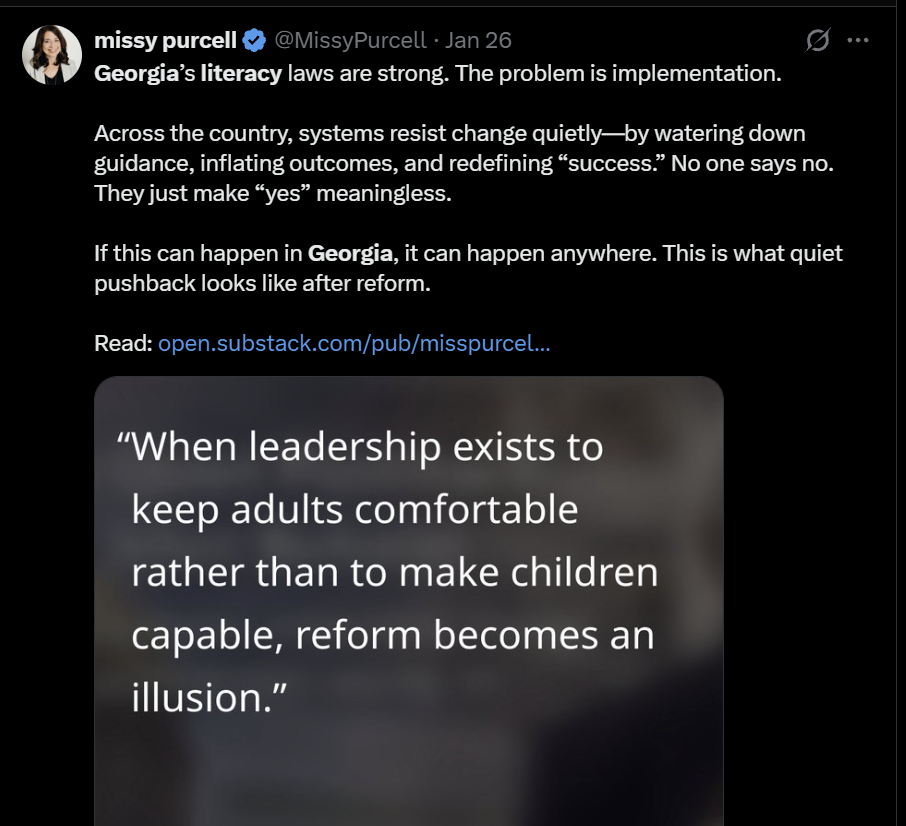
Missy Purcell, a prominent literacy advocate and parent stakeholder, provides a sobering counter-perspective to the legislative optimism surrounding HB 1193. While Burns promotes the “Early Literacy Act” as a structural fix, Purcell warns that statutory change is secondary to effective implementation. Her ethos as an advocate for the Science of Reading suggests that without rigorous oversight, new literacy coaches may be neutralized by “quiet pushback” from entrenched bureaucratic systems. This critique reminds lawmakers that funding coaches is only the first step in a much longer battle for transparent educational outcomes.
Leave a Reply