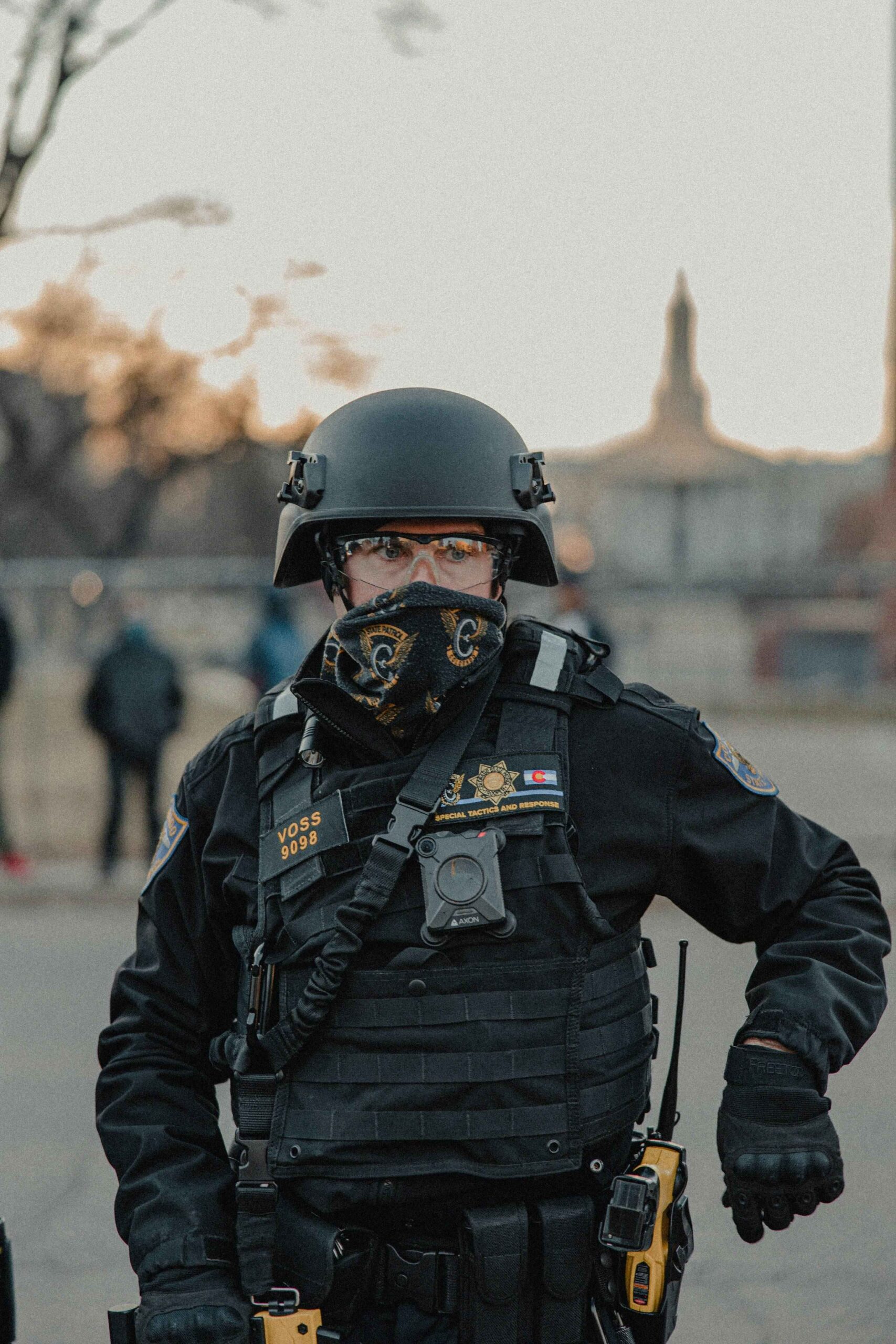
CA2 Team 6

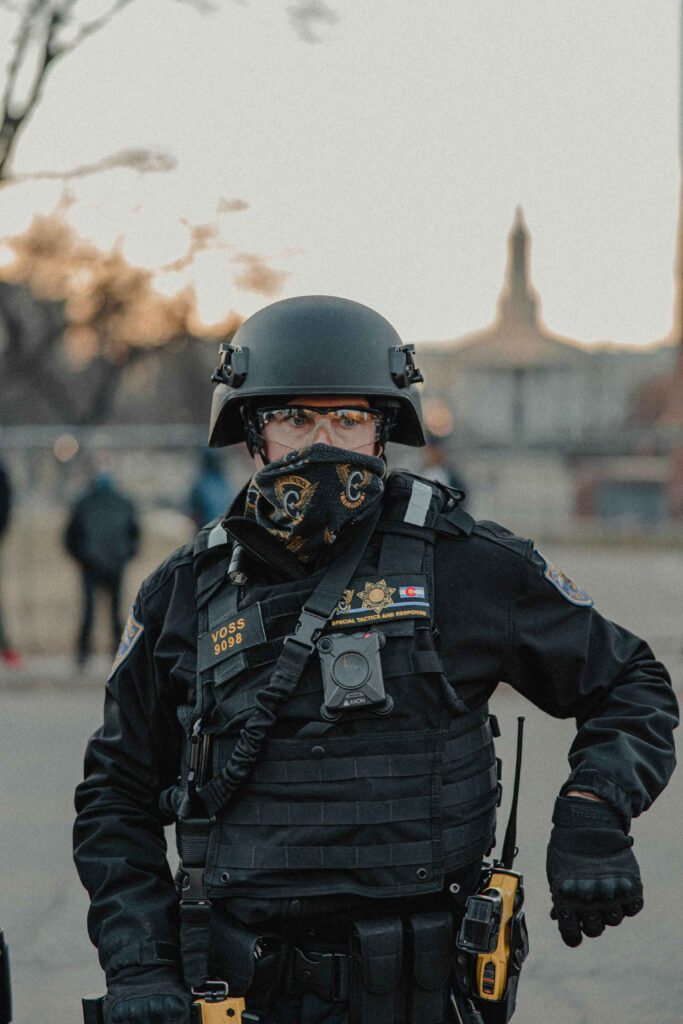
Photo by LOGAN WEAVER | @LGNWVR on Unsplash
CA2 Team 6:
Veajah H, Laura S,
Jason D, Melissa C
15 months into the Trump administration, the Department of Homeland Security (DHS) and Immigration and Customs Enforcement (ICE) are in the spotlight. Brutal abductions are happening across the country. The assailants, ICE officers, are committing their crimes while veiled. Masking makes ICE less accountable than they already were. How are states reacting to the federal intrusions? Some states are taking action to limit or embolden the powers of state enforcers. Anonymity gives some power to citizens and the state. Being identifiable brings people closer to consequences. Masks extend the distance from consequences. ICE moves quasi-perfidiously while everyday citizens try to live their lives. Their movement creates danger for the public, especially the most vulnerable. Demasking ICE will bring them closer to consequences and justice.
Arizona and Georgia each have a mask bill on their dockets. For Georgia, it is SB 389. Arizona’s is HB 2862. The goals of these bills are opposed to each other. The GA bill is part of a greater legislation package to curb ICE’s power; AZ’s is expanding the state’s power by punishment escalation. As the states go further into their terms, the battle for accountability and civil liberties will become more fraught. This tension presents two paths for the state governments: punish citizens or limit law enforcement. Punishing resisting people will further public resentment. Limiting ICE will ease some public pressure. Will the states be receptive to public dissent? Georgia’s SB 389 is their answer; Arizona is doubling down with HB 2862.
GA SB 389
Bill text from the Georgia General Assembly
Nationwide, people have had ICE (Immigration and Customs Enforcement) under close examination, following an increased scale of operations under the Trump Administration, due to not disclosing their identities when going to detain people who are immigrants and citizens alike. Georgia legislators proposed Senate Bill 389, sponsored by Kim Jackson, to prevent ICE officers from being unidentified for the safety of the state’s citizens. The democrat sponsored bill requires immigration officers to wear visible identification, defines specifications for this identification, and prohibits them from wearing non-medical face coverings if they are covered, except for if this face covering is necessary to carry out a covert operation.
AZ HB 2862
Bill text from the Arizona Legislative Website
On the other side of this ICE identification argument is the state of Arizona. Arizona legislators drafted House Bill 2862, sponsored by Quang Nguyen (R), which will increase the penalty for anyone wearing masks for the purpose of concealing their identities if they commit a crime. The bill has passed the House along republican party lines, 31-25.
This stakeholder, Georgia Independent Voter, tweets the argument that police and immigration enforcement should abide by the same laws that citizens abide by because they are also citizens. Many people that feel unsafe with ICE being unidentified by their lack of badges and masked appearances have shared this same sentiment about the officers being held to the same standard as citizens when it comes to using excessive force.
Arizona stakeholders on the opposite side of this stance argue that the use of masks stops people from stalking and doxxing agents by revealing where they live, showing up at their workplaces, or sharing their phone numbers or emails. Some states, such as Arizona itself, have laws against doxxing, and Congress introduced HR 5118 to protect law enforcement officers from doxxing at the end of 2025.
In an article by Ross Williams in The Georgia Recorder, Williams shares that nationwide protests, including in Georgia, ignited following the death of Renee Good, who was shot and killed by ICE agent, Jonathan Ross. Georgia Sen. Kim Jackson proposed SB 389 and stated,
“They are able to commit crimes and hide because we don’t even know their identity.” On the other hand, Republican Rep. Jesse Petrea, and other critics as seen in Arizona, raise the argument of doxxing and how the “progressive left” has been endangering the agents’ families and themselves. Both representatives give their arguments for or against ICE agents being masked, not dissimilar to their constituents.
On March 3, 2026, Arizona Mirror released an article that covers the House’s party-line passage of HB 2862, which increases criminal sentencing for anyone who wears a mask while committing a crime. The bill passed 31 to 25 along Republican lines. Democrats attempted to attach an amendment requiring law enforcement to follow the same identification standards, but it was rejected. Rep. Mariana Sandoval argued that officers exercising the power to detain and use force must remain identifiable to the public. The contradiction of punishing civilian masking while shielding law enforcement from identical scrutiny became the defining tension of the bill’s House passage.
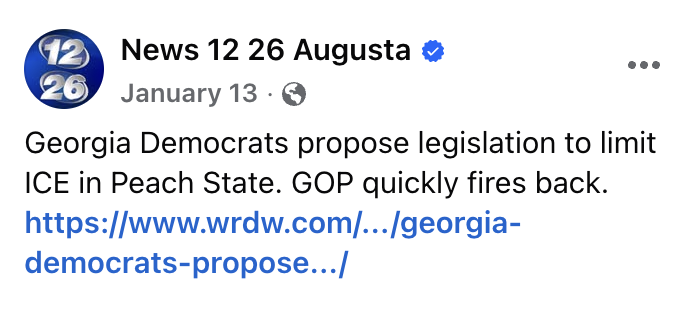
Abby Kousouris reported for WRDW on January 13, 2026, covering Georgia’s fight back on ICE legislative package at the very start of the state’s session. The article centers families who testified about traumatic encounters with masked, unidentified federal agents. Mildred Pierre described officers arriving at her home in unmarked vehicles without a warrant and taking her husband into custody. Sen. Kim Jackson framed SB 389 as a response to this kind of unchecked conduct, stating the goal was “to end the terror, to end the fear.” The piece captures the human urgency driving Georgia’s legislative push for ICE accountability.
“WATCH: AZ Senate hearing on HB 2862 erupts after clash over ICE mask provision” by Copper Courier Staff
Available here
An April 2, 2026 Copper Courier report documents a heated Arizona Senate committee hearing on HB 2862, where Democrats again attempted to attach language requiring law enforcement identification standards. The committee advanced the bill despite the partisan clash. By this stage, several other states, including Washington and New Jersey, had already enacted law enforcement masking bans, placing Arizona’s continued resistance in sharp national contrast. The hearing’s conflict reflects the bill’s core political contradiction: Republican lawmakers championed criminal accountability for masked individuals while blocking any equivalent transparency requirement for law enforcement officers carrying out detention and enforcement operations.
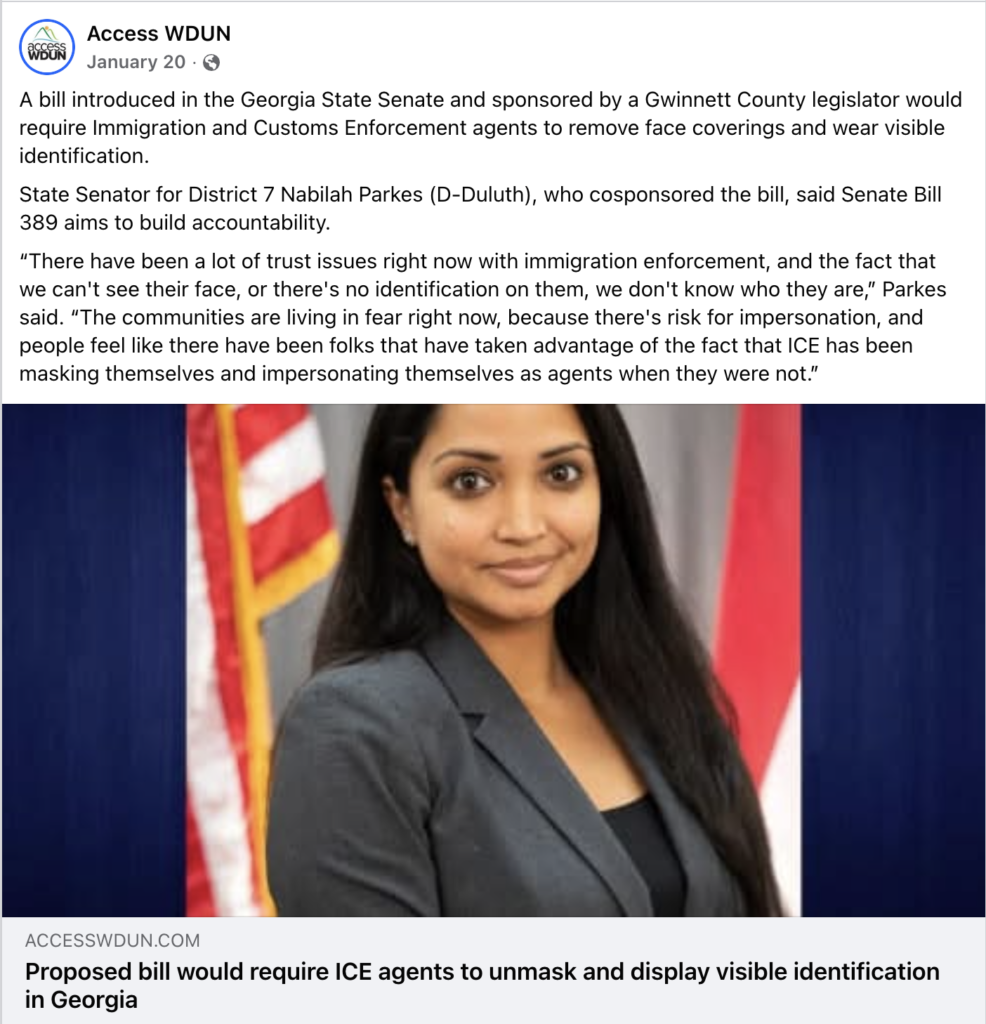
On January 20, 2026, Gainesville based media outlet Access WDUN shared coverage of Georgia SB 389 on Facebook, highlighting co-sponsor Sen. Nabilah Parkes (D-Duluth). Parkes stated: “The communities are living in fear right now, because there’s risk for impersonation, and people feel like there have been folks that have taken advantage of the fact that ICE has been masking themselves.” Gainesville has one of Georgia’s largest immigrant communities, making this local coverage especially significant. The post connects statewide legislation to neighborhood-level fear, showing how ICE’s anonymity created both a safety crisis and an opportunity for impersonation that SB 389 directly aimed to address.
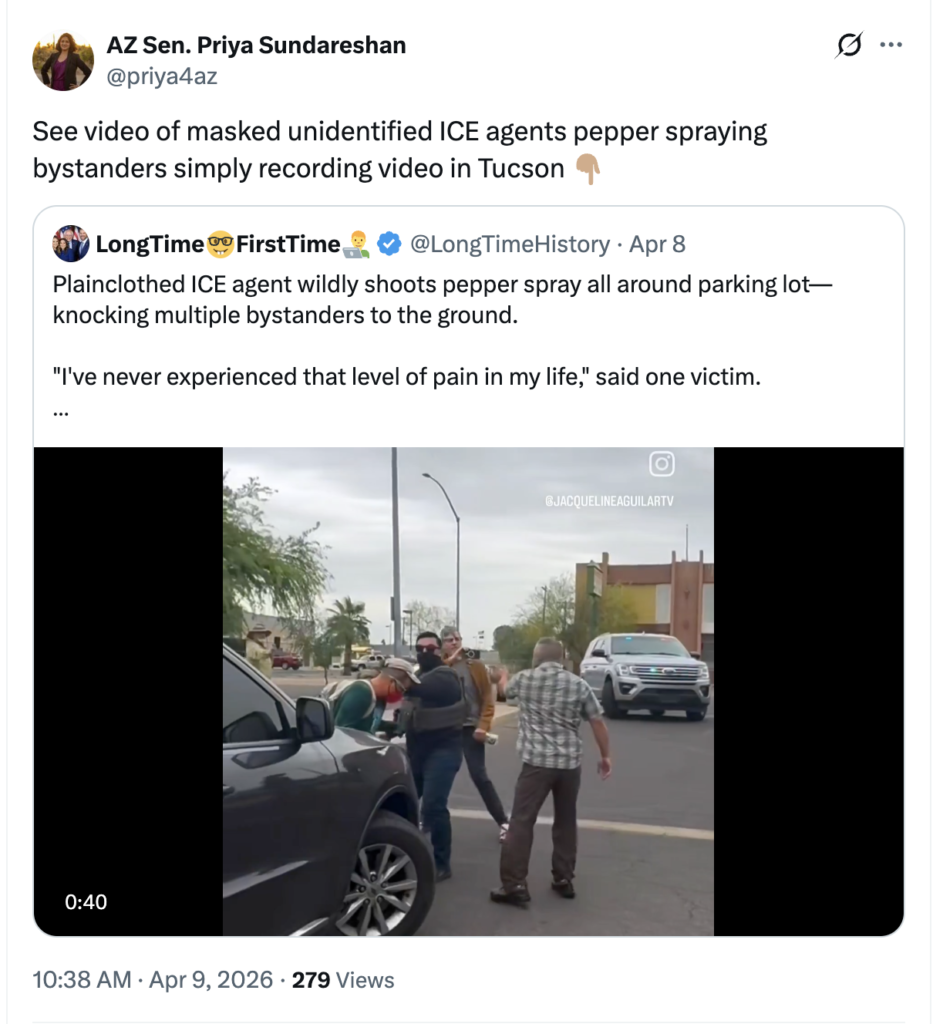
On April 9, 2026, Arizona State Senator Priya Sundareshan shared a video on X documenting a plain-clothed, masked ICE agent pepper spraying bystanders outside a Walgreens in South Tucson. One victim, Steven Davis, required medical attention after stopping to film the scene. A witness noted the agent had “no ID — not even a vest that said ICE.” Senator Sundareshan shared the footage to illustrate the real-world consequences of unidentified enforcement. The incident directly exposes what HB 2862 leaves unaddressed: masked agents using force against civilians face no accountability under the same bill that increases penalties for masked civilians.
Overall, there is a stark contrast in opinions regarding the current ICE legislation in Georgia and Arizona. Foremost, there are polarizing viewpoints among stakeholders regarding the protections that ICE are entitled to, with Arizona voters voicing more concern for the personal safety of ICE officers while Georgia voters insist that the anonymity of ICE agents results in an abuse of power. The Georgia side of the argument is supported by the death of Renee Good, a citizen who was shot and killed by an unidentified ICE agent, while Arizona legislators continue the push to enable anonymity through bills such as HR 5118, which would protect ICE agents from doxxing. Hypocritically, Arizona is also pushing HB 2862, targeting masked citizens in public assemblies. From what has been gathered, Arizona appears to have a more empathetic view regarding the safety of ICE officers, with a stronger appreciation for their service in the mission to deport illegal immigrants. On the other hand, Georgia seems to have a more cynical outlook on ICE agents given the tragedies that have occurred among citizens in various altercations with ICE, and are instead demanding identity transparency of the officers to hold them accountable.
Leave a Reply