Allies Way: AI and Transparency

By Andrew Barnes, Alyssa De Leon, Sumauri Emory, Alo Flores-Lamas, and Carley Rhoades
AI-Use with Websites
The client’s best mode of communication is their website, which is well-organized and greatly informative. However, the organization’s constant use of AI-generated images and captions is a big concern. A 2019 study revealed that 90% of consumers believe authenticity is important to them when considering what brands to like and support, meaning nonprofits must rely on authenticity and human connection to succeed in their community. Since 25% of consumers see AI-generated social media as impersonal or untrustworthy, the client may risk their credibility or engagement by continuing to use AI on their media platforms.
Replacing AI-generated models on the site with original photos could help the organization greatly. While hiring a photographer would be the best option, a more cost-efficient approach could be to take real pictures of volunteers wearing the scarves that the organization promotes. That option would help the organization appear more authentic and make their vision for the organization more visible.
AI-Free Alternative Options
- Canva is a free image editing tool that can be accessed both on a PC and by cell phone. It comes with hundreds of free, ready-to-use templates to help create visually pleasing graphics in minutes. Canva’s premium tools are also free for registered organizations.
- Kennesaw State University’s Graphic Communications department is full of students in search of hands-on experience. Given the client’s limited resources, this could be an option worth exploring.
Social Media and Transparency
Posting Strategies
AI Content
Allies Way’s social media produces the same concern about AI. The client’s online community engagement is often limited to few views, likes, and comments, but the client’s non-AI-generated posts (e.g., photographs of events, board members, et cetera) notably receive much stronger engagement, which suggests users respond more positively to original, human-made content.
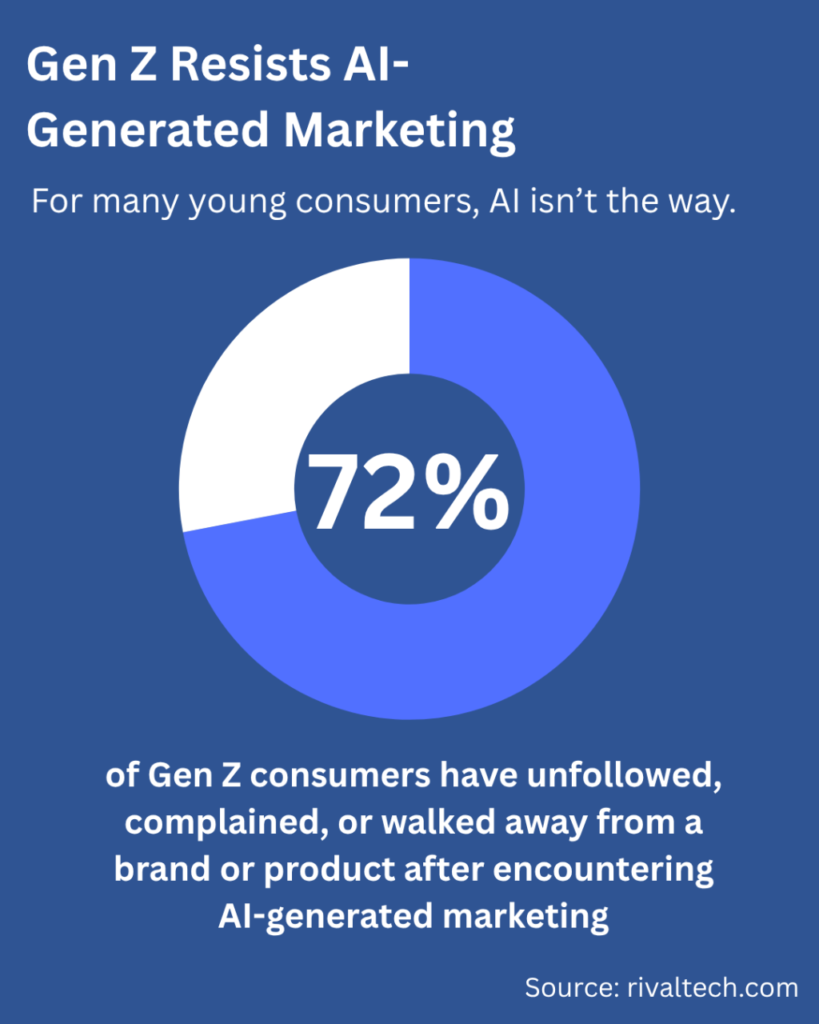
It has been shown that about 76% of Americans believe it is extremely important to be able to tell when something is made with AI. 72% of Gen Z consumers take direct action against brands when they encounter AI-generated marketing. Similarly, viewing content made by using AI, such as political speeches, articles, etc., creates a stronger negative response from audiences after they find out. Recruiting a photographer (paid or volunteer) or organizing a photo session with staff, friends, or supporters could allow the organization to post AI-free product marketing and engage more personally online.
Visibility
Based on the team’s research, the client’s organization has limited online visibility. Beyond resource directories, job boards, and recognition from Kennesaw State University staff and students, there is little mention of Allies Way outside their own social media accounts. Social media could be a great tool to improve online visibility and supporter awareness if used correctly.
In the past, a high volume of repetitive, near-identical posts may have made the Allies Way social media accounts appear stagnant, possibly leading to a decline in user interest. However, now that the client has deleted those posts, the remaining posts may experience increased visibility and engagement from users. Regardless, it may still be good for the client to consider posting more varied content, such as the following examples:
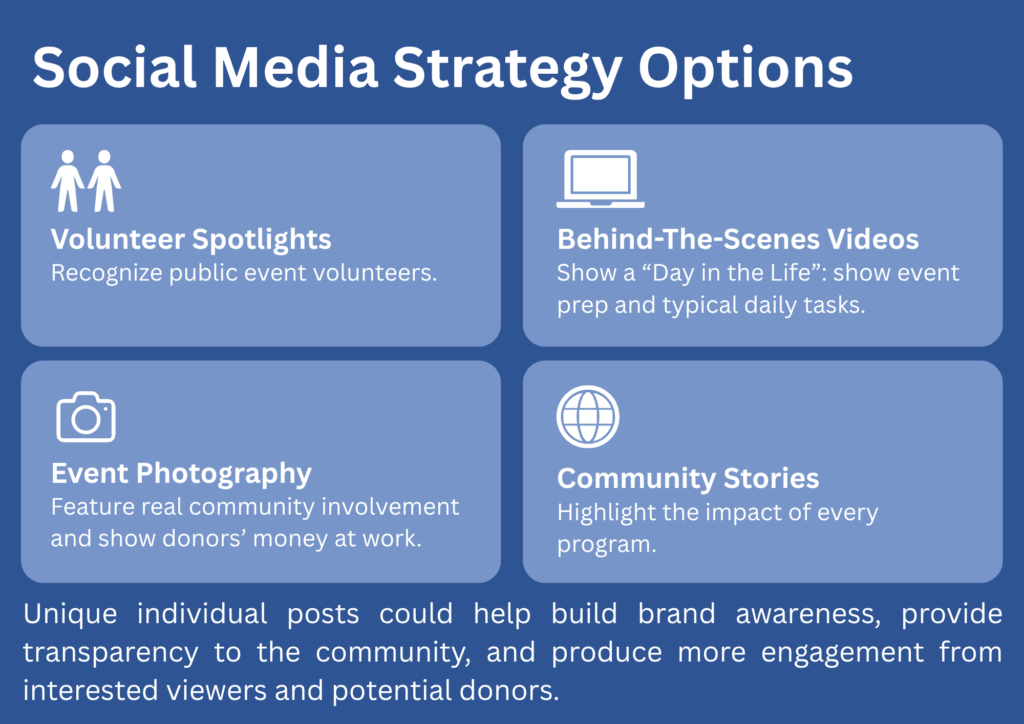
Users may be interested in what the organization does to help others and could be inspired by the videos to provide financial support. In fact, 25% of donors have said that social media inspires them most to donate money, which means a strong presence on social media with an effective content strategy could help the client earn much more revenue.
Creating informational flyers with Canva is a great budget-friendly option the client could consider rather than using AI, since Canva’s premium tools are free for registered organizations. The client can access various templates or even a custom social content planner, which would help them plan, schedule, and post content. Ideally, hiring a dedicated social media manager and/or flyer designer could greatly improve engagement, though if funding is limited, a trained volunteer could manage the accounts and create posters instead.
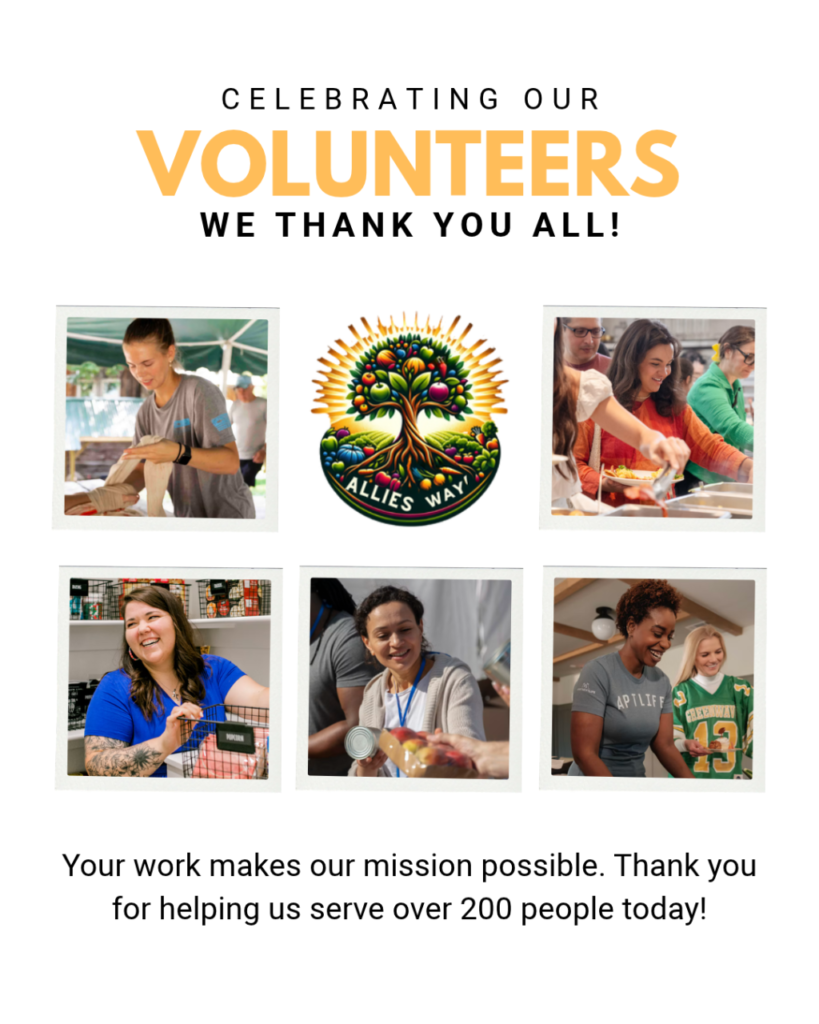
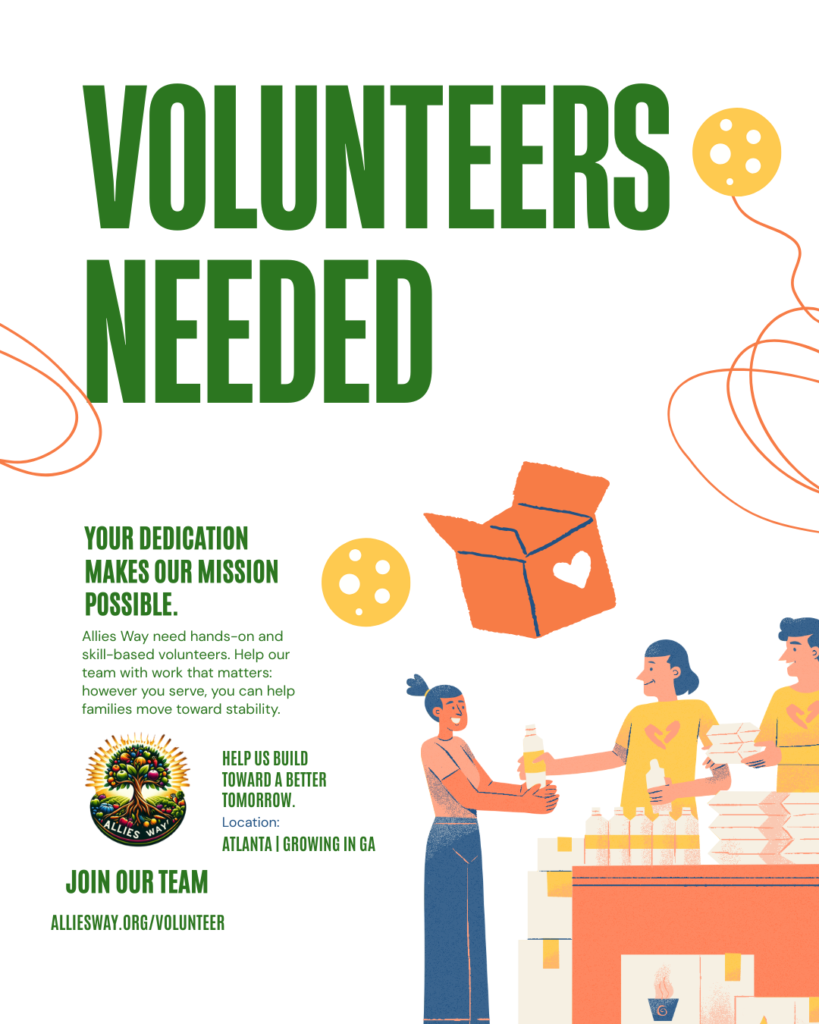
Canva Examples by Alyssa De Leon / Photographs by Frederick Shaw, Peter Muniz, Cabri Caldwell, Raj Tuladhar, and Apartment Life from Unsplash
Creating a Newsletter
The client could consider communicating about their work in more detail on their website. While the website is already well-organized and concise, there is not enough in-depth information available for users. Social and financial transparency is deeply important (and necessary) for the nonprofit-supporter relationship—supporters trust the nonprofit with their donations and therefore need to know where it’s going. Regular, open communication would enhance the client’s credibility and may lead to an increase in support. A newsletter would solve this problem.
A regular newsletter—accessed through both the website and direct email, if a supporter provides theirs—would educate those dedicated to the client’s cause. It would update interested viewers or donors about recent events or progress with their own programs (e.g., recently buying a food storage truck, launching a new program). A user may greatly appreciate in-depth, behind-the-scenes information, as it offers much more transparency about the organization’s mission, causes, and progress, and directly showcases the impact in the community.
If the newsletter mentions recent success, that could make supporters feel like they’re partly responsible for those the client helps. On average, 33% of respondents have indicated that they would be a “lot more likely” to donate money in the future if a charity directly tells them how their money was spent and the impact it had. A newsletter could also be a great way to promote upcoming volunteer opportunities as well—donors and supporters may not regularly visit the client’s website or social media, but sending updates directly to their email creates a better chance they’ll hear of an upcoming event and plan to get involved.
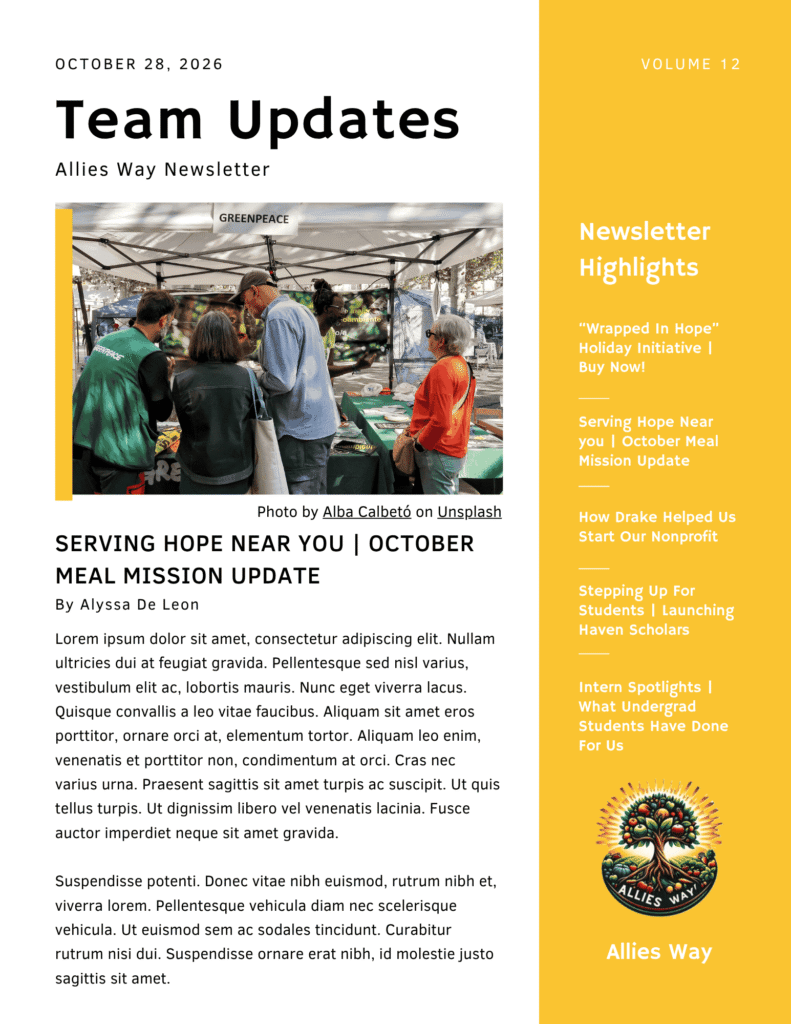
Newsletter Sample by Alyssa De Leon
Leave a Reply