Hemp Limited and Cannabinoids Banned – Experiential Activity

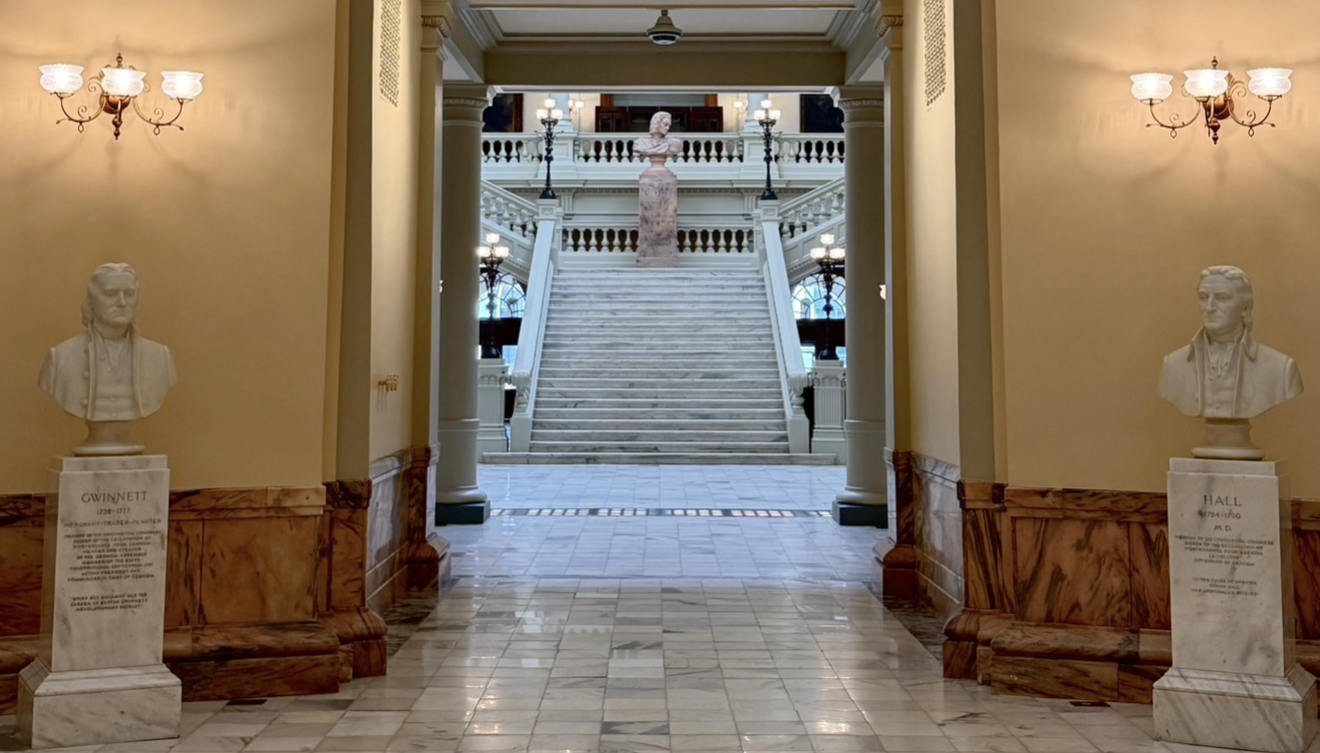
Photo of the inside of Georgia capitol building by Veajah Hylton
Georgia representatives have been listening to the concerns from their constituents over the pending legislation of Senate Bill 33, the Georgia Hemp Farming Act, sponsored by Kay Kirkpatrick (R-Marietta). Kirkpatrick brought this bill to the floor because she was concerned about the harm of unregulated synthetic products and the danger of chemically produced products. SB 33 would provide limits on the amount of THC allowed in consumable hemp products, acting together with federal regulations that will change the limit to .4 milligrams of THC per package starting in November of this year. The bill would also ban synthetic hemp products that are not able to be naturally produced by the marijuana plant.
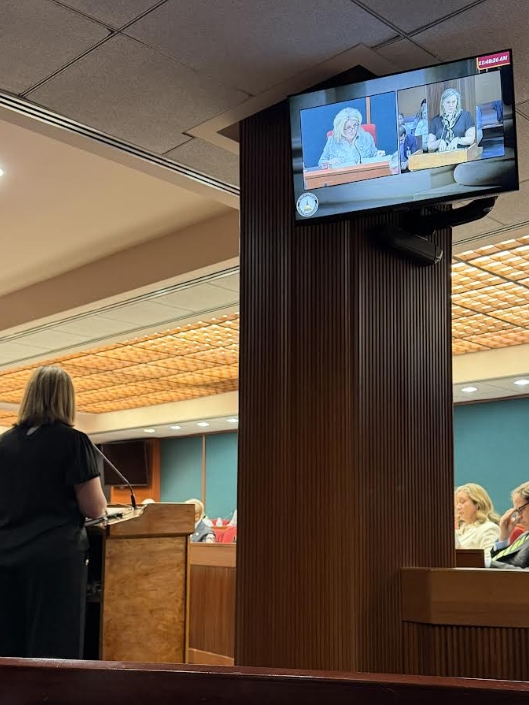
On March 24th, I was able to go to the Capitol and sit in on the session the House Committee of Agriculture and Consumer Affairs held. Many of the representatives raised questions about the language of SB 33 and how they did not fully understand what it was about. However, they also read a substitute bill that laid out the meaning of SB 33 in more precise terms. Two of the representatives had backgrounds as attorneys. They talked about the indictment process and what lawyers would say to help shape the language in the substitute bill to more closely align with the law and minimize holes and confusions for the safety of Georgia’s citizens. Representatives also talked about some roadblocks: the state’s ability to test for and measure some cannabinoids and the fact that they cannot tell what someone is vaping if passing them on the streets because there is currently a lack of labeling.
After the session, we were able to talk to Rep. Inga Willis, who expressed her concern over the business aspect and clarified the difference between the bills they talked about and how SB 33’s original form was confusing. She stated that if the legislators were confused by the language, the constituents would also be. This emphasized the importance of clear and concise language when it comes to writing bills and having people that are knowledgeable about the law.
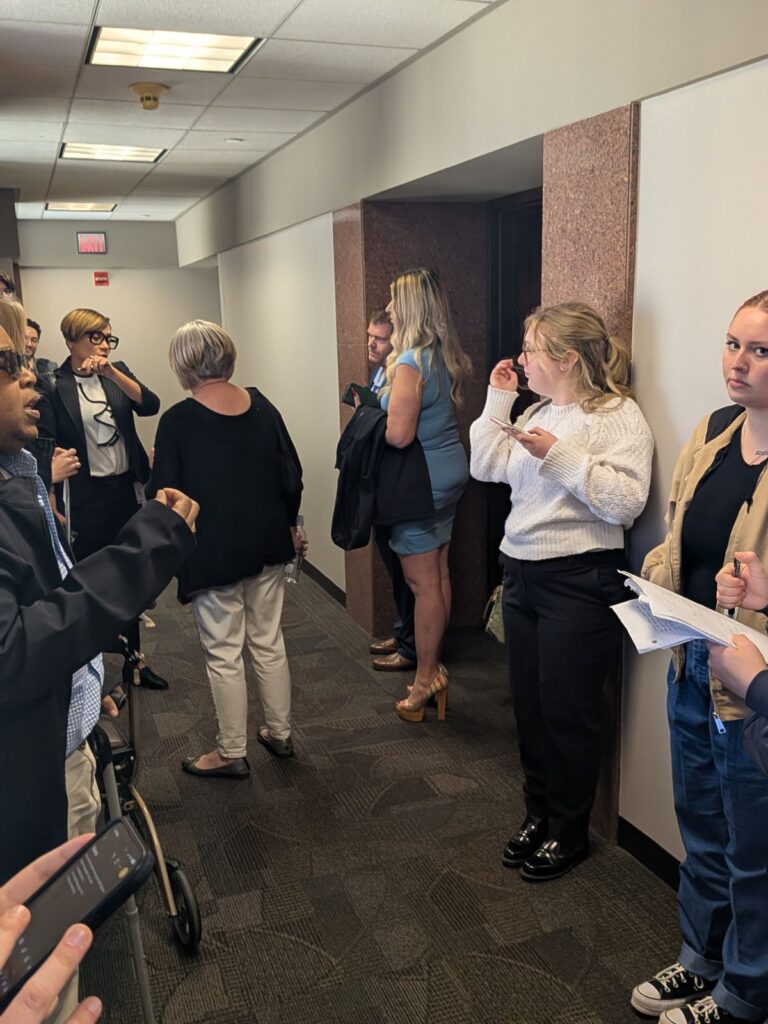
After leaving the room, we talked with lobbyists from the Georgia Medical Cannabis Society. They stated that they grow cannabis and it’s legal until a flame is put to it because it lets out an acid. So, their concern is whether burning their cannabis would be tampering with evidence, since it was within legal parameters before it was burned.
Photo by Alex Eller
In all, I found this session very interesting, even though I did not understand some of the logistics of what they were talking about. The legislators made little jokes with each other here and there and applauded each other on having certain backgrounds and skills that others did not possess. I was not expecting this and found it engaging me more.
Leave a Reply