

Image courtesy of Joshua Hoehne via Unsplash
When beginning an undergraduate degree, many students are encouraged to continue their education by pursuing a master’s or PhD, but an important question remains: Is the investment worth it? Graduate degrees require time and money, so understanding the benefits, costs, and career opportunities of each degree can help future educators make informed decisions.

Image courtesy of Quilia via Unsplash
A master’s degree typically requires one to three additional years of study after completing an undergraduate degree. Earning a master’s degree shows excellent knowledge in a certain area and creates new job opportunities. Unlike an undergraduate degree, a master’s does not necessarily have to be in the same subject area. However, the cost can be significant. A Master of Education typically costs $44,640 per year, not including the higher tuition often associated with private universities. Online discussions about earning an M.A. in English often debate whether the degree is worth the investment. One contributor argued, “don’t expect to make a career as an academic” with only a master’s degree. Another person explained that serving as a teaching assistant allowed them to earn the degree with financial support. They also noted that an M.A. alone does not qualify someone to teach in K-12 classrooms.
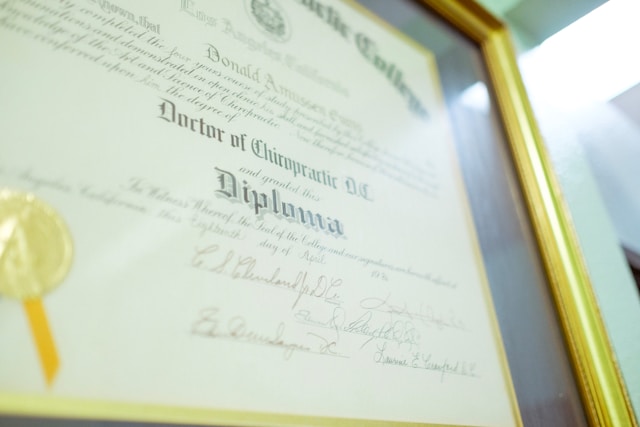
Image courtesy of Quilia via Unsplash
A Ph.D., by comparison, generally requires five to seven additional years of study, and costs around $50,000 per year in 2024. Because of the time commitment and expense, many universities offer financial aid, tuition waivers, or stipends. As Nam explains, Ph.D. students often receive more financial support than master’s students. A Ph.D. also provides greater opportunities for research, establishes expertise within a field, and is often required for careers in higher education, where research and teaching are integral components. However, online discussions frequently point to the competitive academic job market, with many questioning whether the degree is worthwhile unless the goal is to become a professor. One contributor argued that attending a top-15 English Ph.D. program made the investment worthwhile, raising the question of how accessible those programs are for most students.
Ultimately, pursuing graduate education is a major financial and personal commitment. The ongoing debates surrounding master’s and Ph.D. degrees show that there is not single “right” path. Instead, the best choice depends on an individual’s career goals, financial situation, and long-term aspirations. Higher education creates valuable opportunities, but requires careful planning, dedication, and a clear understanding of where that degree can lead.
Leave a Reply