
What Does a Teacher’s Workweek Really Look Like?
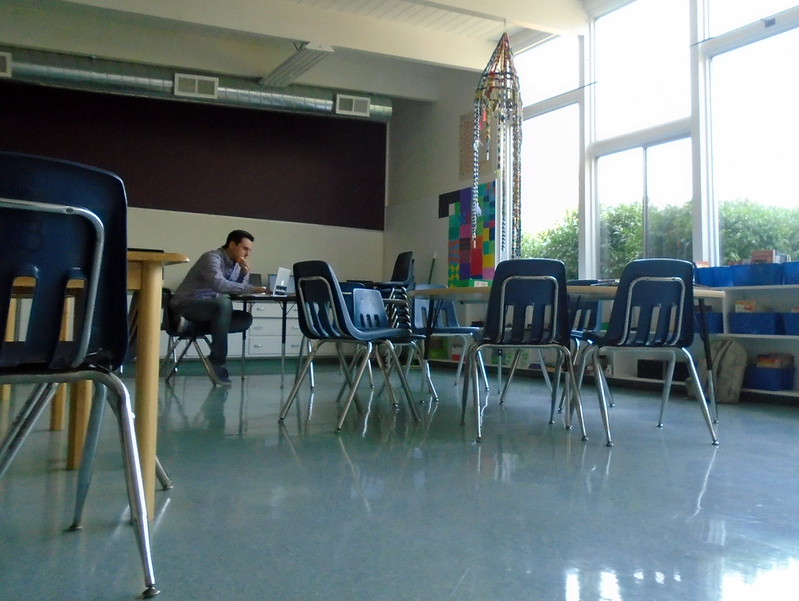
Most people think a teacher’s workday ends when the final bell rings. In reality, many educators continue working long after students leave the classroom. While students head home, teachers often stay behind to grade assignments, answer emails, prepare lessons, meet with colleagues, and communicate with families. Much of this work occurs outside instructional hours, making teaching a career that extends far beyond the time spent in a classroom. Looking at a teacher’s weekly planner reveals just how much happens behind the scenes and why maintaining a healthy work-life balance has become one of the profession’s biggest challenges.
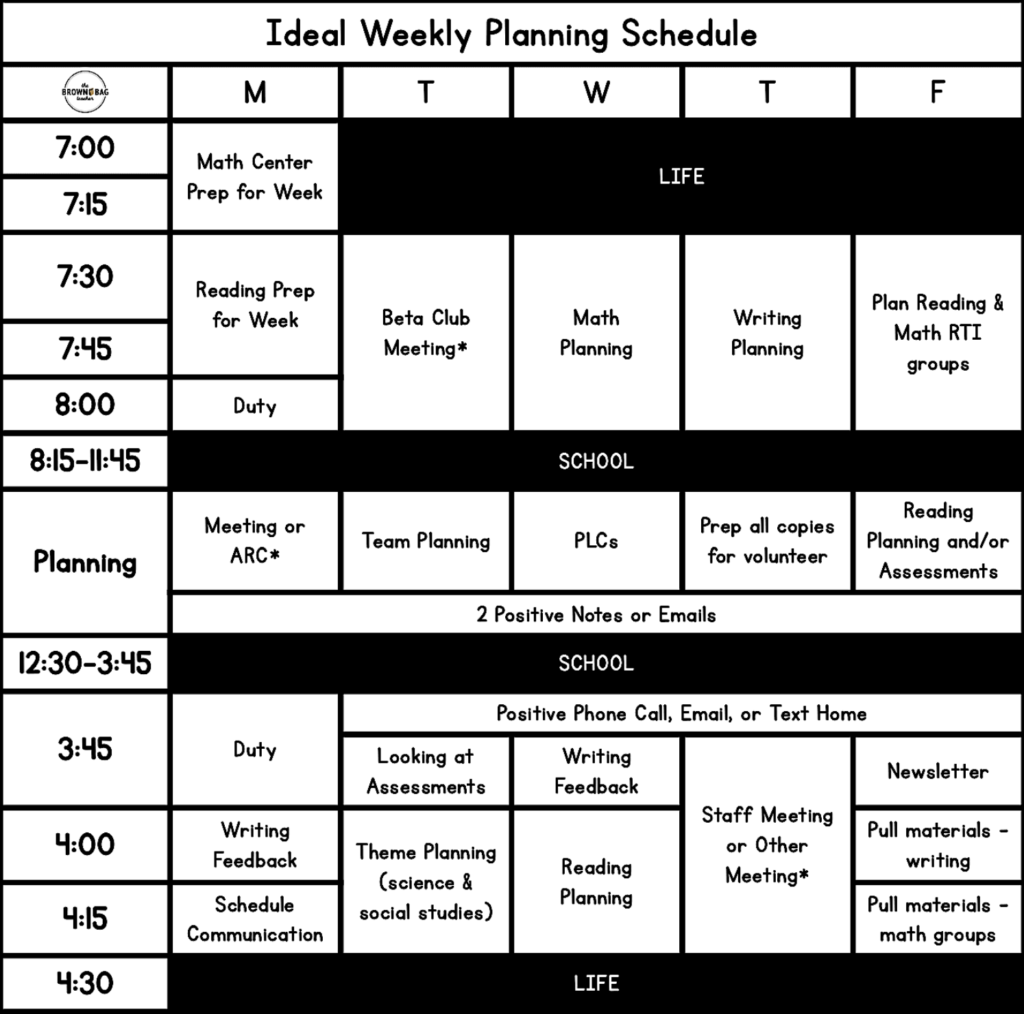
One of the clearest examples of this comes from Catherine Reed’s Weekly Planning Routine on the Brown Bag Teacher. Rather than presenting a perfectly organized schedule, Reed explains how creating a consistent planning routine helped her move away from the 80-hour workweeks she experienced early in her career. Instead of trying to perfect every classroom task, she learned to prioritize what she calls her “big rocks”: student safety and student learning. By batching similar tasks together, setting boundaries, and accepting that not everything has to be perfect, Reed created a routine that allowed her to become a more effective teacher while also protecting her personal life. Her planner demonstrates that managing time is a professional skill educators develop over the course of their careers.
Reed’s experience reflects what larger studies continue to find. The 2026 State of the American Teacher Survey, published by RAND, identifies workload, teacher well-being, and burnout as some of the profession’s biggest challenges. Sarah Sparks’ For Teachers, Work-Life Boundaries Are Harder to Keep Than Ever in Education Week reinforces those findings, reporting that 46% of teachers say their jobs leave them too exhausted for personal activities, compared with only 13% of similarly educated professionals in other careers. The article also notes that U.S. teachers work more than 45 hours each week on average, indicating that a significant portion of a teacher’s workload extends beyond classroom instruction.
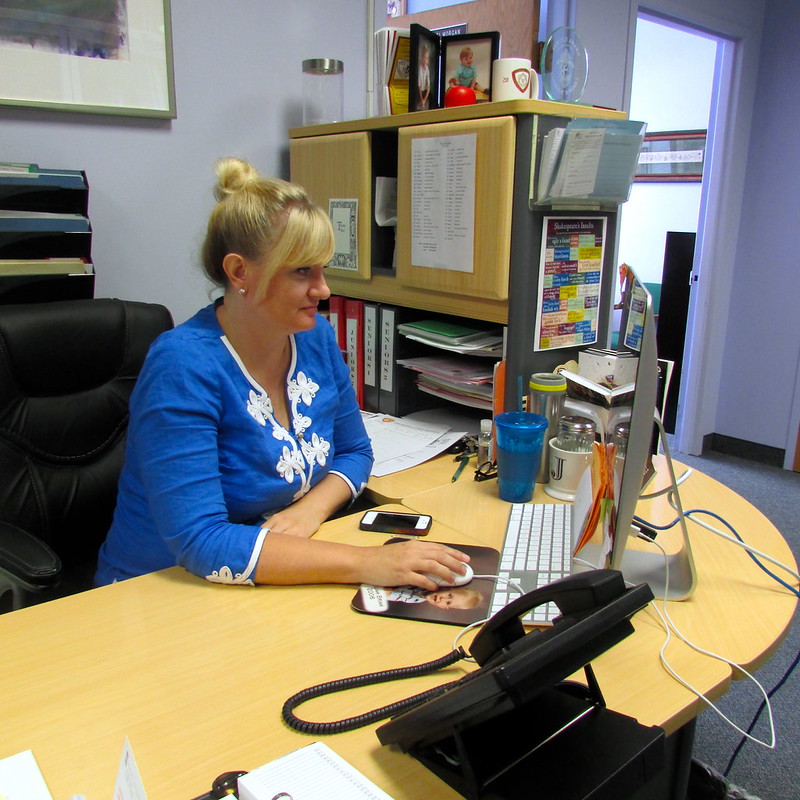
Although the workload can be demanding, experience often helps teachers develop healthier routines. In Chloe Cann’s A Day in the Life of a Primary School Teacher, two educators describe days filled with lesson preparation, marking assignments, parent communication, meetings, and supporting students’ emotional well-being before and after classroom instruction. Their experiences show that teaching is much more than an 8-to-3 job. It is a profession built on preparation, flexibility, and relationships, where learning to set boundaries is just as important as learning how to teach.
Leave a Reply