CA3 – Team 4


Team 4 (Mekaylah N., Sarah S., Leon P., Joseph V.)
The state of Georgia proposes to change marijuana policies regarding State Bill 220 to create more opportunities for access for those who don’t have the opportunity to purchase marijuana substances for legal purposes. This bill has sparked conversation regarding how people with medical conditions can legally use it with a doctor’s approval or even a state registration card. This also speaks to how the government controls the use of cannabis, overall giving a sense of limited access, and yet opening the floor of opportunity to let those who need it have easier access to get it. There’s some pushback, especially in the provision of public places. Rep. Derrick Jackson, D-Tyrone, who supported the bill, questioned the public-place provision. “What would we suggest to our constituents, for those who are in need of this medicinal cannabis and they’re at church?” he asked.
This also gives a mixture of understanding of how marijuana can be distributed, as this bill would also ban food products such as candies and cookies that could contain medical marijuana, but also makes it unclear if gummies can still be allowed. Giving a questionable analysis of how the law should be passed around. The argument going around this topic shows the question of how marijuana should be used and distributed, trying to gain an understanding of what the overall status of marijuana should be.
This article by Maya Homan provides further details about the improvements and increases in THC or cannabis, as well as how they will be introduced if this bill is passed. The THC will go up to not only 5% but a whopping 50%. It also talks about how this bill makes it so you don’t have to be so very sick to qualify anymore, and also limits the access against vaping and removes it altogether, and also asks for the convenience for caregivers to pick up those who use marijuana or cannabis to pick it up from pharmacies so they don’t have to pick it up themselves.
This bill is not a ban,” Kirkpatrick said. “It’s a consumer protection bill that is not intended to impact processors that are already testing and labeling their products appropriately.
-Maya Homan
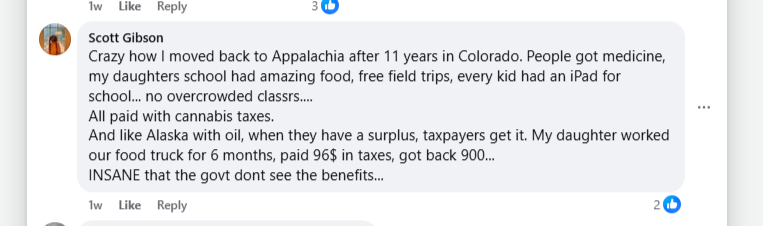
This is a reaction from a fellow stakeholder trying to persuade regarding how the bill needs to be passed. Going into comparison about how it aids in different states like Colorado, of how people got the proper help that they need, and how it actually helps in funding for schools for these people’s children, and also how it gives great funding, especially to taxpayers, giving proof with Alaska. Going firsthand about the true benefits in other states if this bill gets passed, giving living evidence, as other states are already living in the reality that is trying to be seen in Georgia.
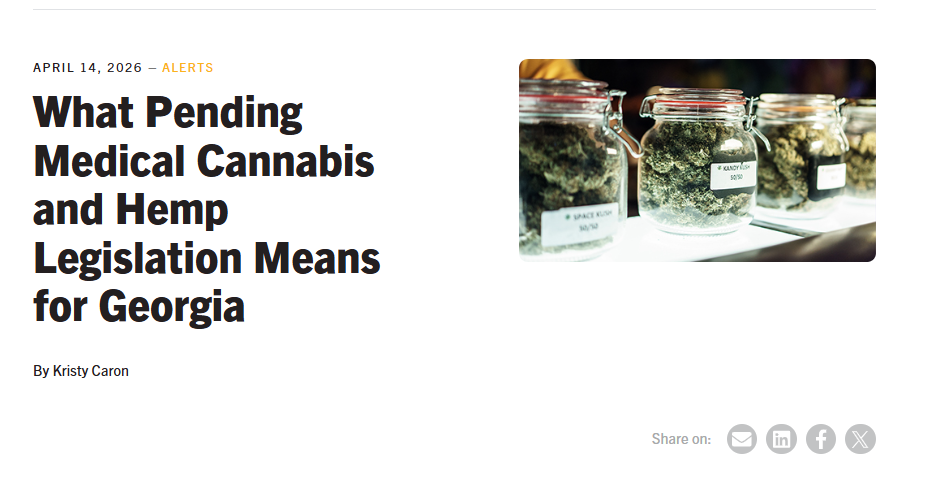
This article gives a full breakdown of the status of Georgia’s medical marijuana program as it is currently. It offers insight into a few of the bills that fall under the topic of medical marijuana, and makes a comparison of how this program rates among states:
“Among the 42 states with medical marijuana programs, Georgia has the lowest adoption rate.”
– Kristy Caron
From what can be understood from the topic of the paragraph, the “adoption rate” refers to the number of participants in the program. Overall, the article’s goal is to inform the reader about laws surrounding Georgia’s medical marijuana program to point out how it is in an active evolving status that can be best understood by translating how the bills being sent through congress will effect the restrictions and terminology of the program.
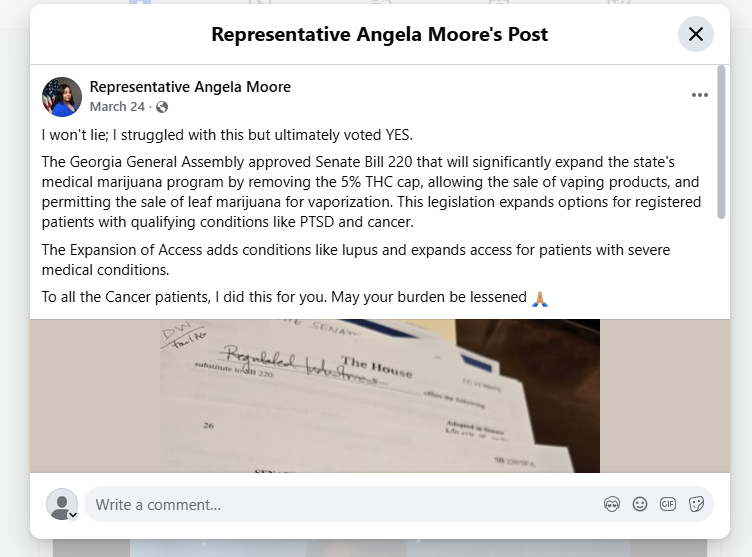
The author of this post shares a picture of a printed-out copy of SB220’s latest revisions with some other documents in the background, most notably one that has a big “The House” title- referring to her status as a lawmaker and showing proof of being in understanding of the document. In addition, she shares some positives about the bill. However, she also mentions that she struggled before ultimately deciding to vote yes on the bill. At the end, she states:
“To all the Cancer patients, I did this for you. May your burden be lessened ”
-Angela Moore
This kind of post seems to be meant to show proof of work as a lawmaker, or could even have an underlying goal of reaching potential voters. It gives a more personal meaning to the passing of the bill- as it already did, with its revisions leading to a change in people’s health and lifestyles.
This user states in their bio that they are an author, editor, and speaker on Cancer and Medical Cannabis, and that they are based in the Midwest. It should be noted that in the tweet, they do mention living in Georgia for 9 years as proof that they have an understanding of the medical cannabis program in Georgia. This artifact serves as proof that more updated cannabis accessibility laws in Georgia are being pushed for by those who are well-versed in what accessibility looks like for someone who uses medical cannabis.
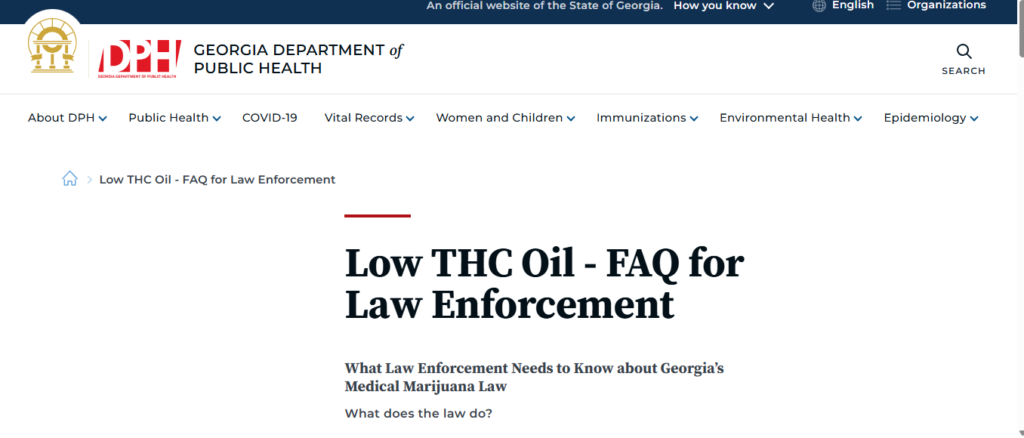
“Low THC Oil” is a term referred to often in SB220, as its legal amount was decided in the Capitol during this past session. This website provides up-to-date information on this low-THC oil that is utilized in some medical cannabis products. It is offered through the Georgia Department of Health and should be referred to when trying to understand what the terminology of the bill pertains to. Its “Frequently Asked Questions” style provides some more specificity on certain points that generally are either misinterpreted or overlooked. Its existence allows for those who may benefit from Georgia’s medical cannabis program to learn how they can legally use weed to help with a chronic illness that qualifies.
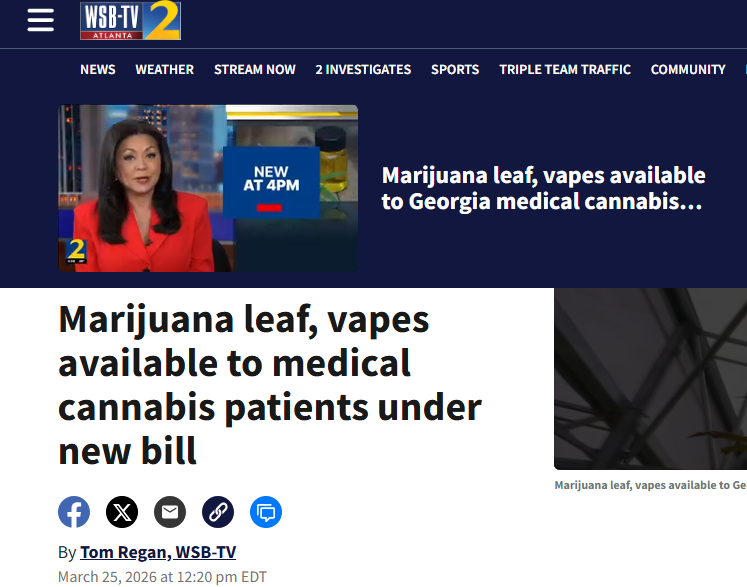
This article, written by Tom Regan, discusses patients with chronic medical conditions who can use marijuana vaporization at home under the prescription of a doctor. Conditions range from Parkinson’s disease, PTSD, and intractable pain. It is said that SB 220 will also include lupus in its list of medical conditions for marijuana use. Before SB 220 was passed, the limit of THC in products was 5%. Since the removal of the limit, Georgia has moved to a medical cannabis program, bringing it in line with the other 41 states. Botanical Sciences Dispensary CEO, Gary Long, says that marijuana vapes are more effective and faster. This new program has triggered much controversy on the effectiveness and safety for patients.
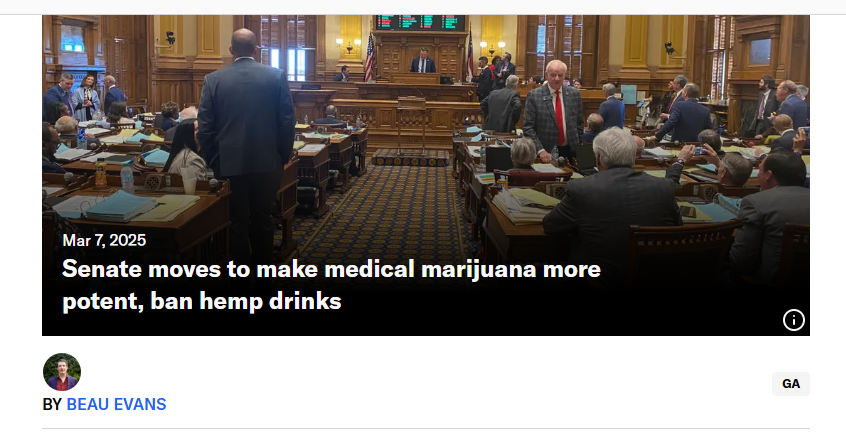
As the state of Georgia permits the use of a higher percentage of THC in medicine, and is now allowing marijuana vapes instead of THC oil, many people are in opposition to SB 220. Last year, Republican Senator Carden Summers mentioned that patients were given a 5% THC oil to ingest. Many people were against this as they think patients will abuse it and fear that Georgia would legalize it. This year, GA senators are straying away from the low-oil-based program and moving to the medical cannabis program. The low-oil program hasn’t delivered enough relief to patients with intractable pains and medical conditions such as PTSD, cancer, and epilepsy. In contrast to last year’s low-oil-based THC, Georgia is pushing for quicker, more effective relief for its chronic illness patients.
This tweet shows the disconnect between patient demands and legislative decisions in Georgia, specifically with bills like SB 220. The author argues that tangential policy changes do not solve the systemic barriers within our state’s medical cannabis laws, emphasized by “As a patient in Georgia’s medical cannabis program, I’m talking about real access to safe, tested medicine that helps me function day to day.” By pushing back on Dr. Brenda Nelson-Porter’s ideas for the Georgia Access to Medical Cannabis Commission (GMCC) to focus on product affordability, quality, and practical protections over administrative growth that fails to improve the need for low-THC oil for those who rely on it.
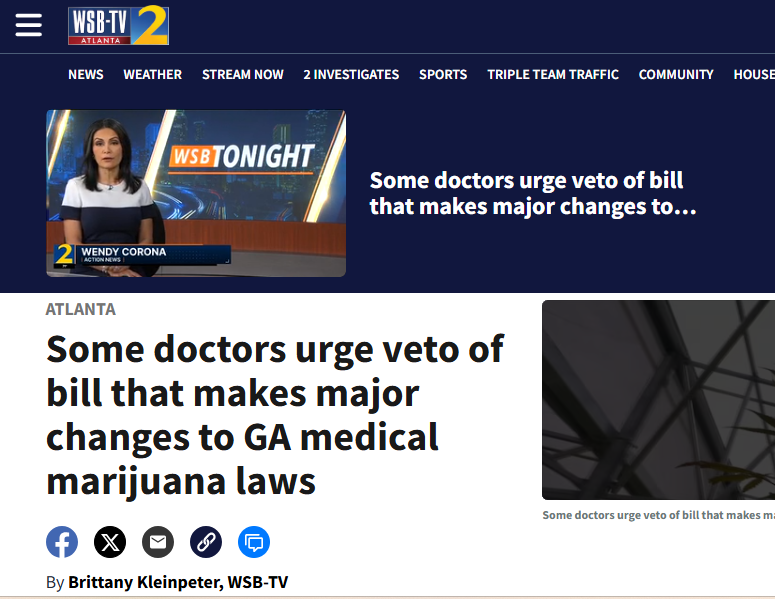
This report from WSB-TV represents the serious medical opposition to SB 220, while the bill’s sponsor, Rep. Mark Newton argues the bill strengthens physician oversight and ensures precise dosing, many healthcare professionals have called for a gubernatorial veto because of public safety concerns. Specifically critics like Dr. Karen Drexler warns of the severe mental health risks associated with high potency THC, citing professional and personal observations of drug-induced psychosis. Drexler emphasizes the potential for permanent cognitive damage,
“I’m convinced, as a psychiatrist, that schizophrenia doesn’t start in one’s 50s, that this was cannabis-induced,”
-Dr. Karen Drexler
This article shows a divide between lawmakers trying to modernize patient access and medical experts who believe the bill removes important restrictions against mental illness and addiction.
Since Georgia has proposed SB 220, individuals suffering from chronic pain now have the opportunity to use higher dosages of medical marijuana. There is much uproar about marijuana vaporization could cause patients to get addicted or that the government should just make it completely legal in Georgia. Georgia has just now started its medical cannabis program making it the 42nd state to adopt this program after long consideration. This goes to show how much control the state has over marijuana use.
The low-THC oil is being replaced by a vaporization, which is supposed to have a stronger effect, but the bill doesn’t go into much detail about gummies still being apart of the program. The limited access to people suffering from chronic illnesses brings a lot of concern to those who believe people will get addicted to the vapes and result in “cannabis use disorder”. Others worry about being able to use the vapes in public places. Contrary to these ideas, others heavily support this program as they believe the higher dosage will help them navigate their day-to-day life.
Leave a Reply