
Artificial intelligence has quickly become one of the top largest changes facing education, and future teachers must decide how to respond to it. For English educators especially, AI raises difficult questions about writing, critical thinking, academic integrity, and the role of the teacher in the classroom. While some educators view AI as a threat to authentic learning, others see it as a tool that can improve instruction. Rather than asking whether AI belongs in education, many researchers argue that teachers must prepare students to use it ethically without sacrificing meaningful learning.

UNESCO’s AI Competency Framework for Teachers argues that educators should no longer think of AI as simply another piece of classroom technology. Instead, teachers must develop new competencies that allow them to evaluate AI critically, understand its ethical implications, and determine when its use genuinely supports student learning. The framework emphasizes that teachers remain the center of the educational process because AI cannot replace professional judgment, empathy, or meaningful relationships with students. Instead, AI should support educators by reducing administrative work and expanding personalized learning while leaving instructional decisions in human hands.
The Organization for Economic Co-operation and Development (OECD) expands this discussion by asking what students should continue learning when powerful AI systems can already generate essays, solve problems, and answer questions within seconds. Rather than reducing the importance of education, the report argues that AI makes human skills even more valuable. Critical thinking, communication, creativity, ethical reasoning, and the ability to evaluate information become increasingly important because students must learn to question AI-generated responses rather than simply accept them. For English teachers, this shifts the focus from simply producing information to helping students analyze, interpret, and communicate ideas in thoughtful and original ways.
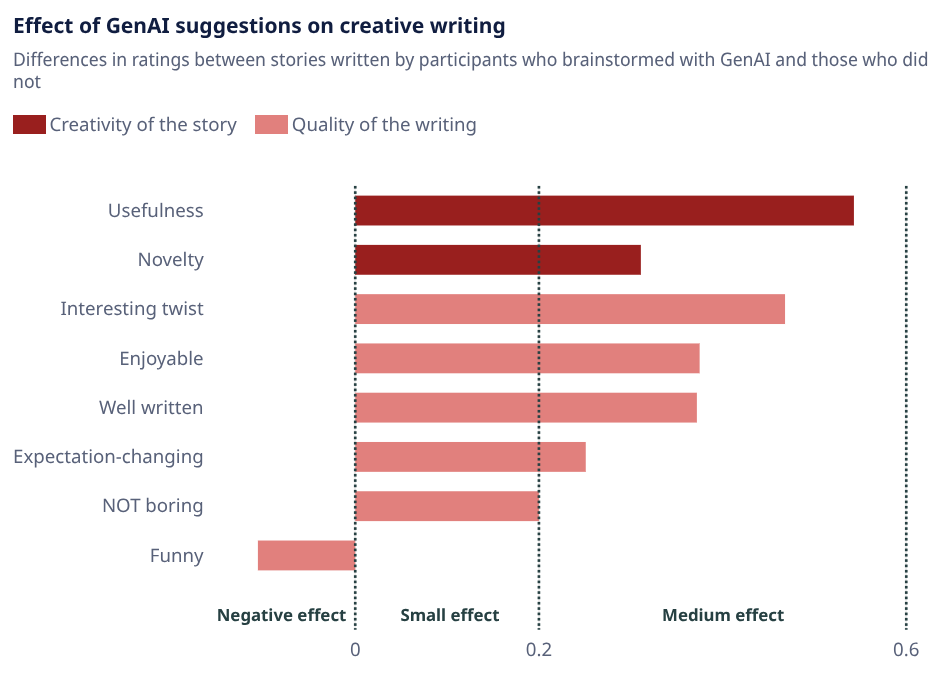
The OECD’s Digital Education Outlook reaches a similar conclusion while focusing on classroom implementation. The report explains that successful AI integration depends on ongoing teacher training, clear ethical guidelines, and professional development rather than simply providing schools with new technology. Teachers must understand AI’s strengths and limitations so they can model responsible use while recognizing situations when traditional learning remains more effective.This pragmatic outlook has shifted the debate enormously. For future educators, AI is unlikely to replace the classroom, but it will continue changing how teaching and learning take place. The challenge is no longer deciding whether AI belongs in education, but using it to strengthen curiosity, creativity, critical thinking, and authentic learning.
Leave a Reply